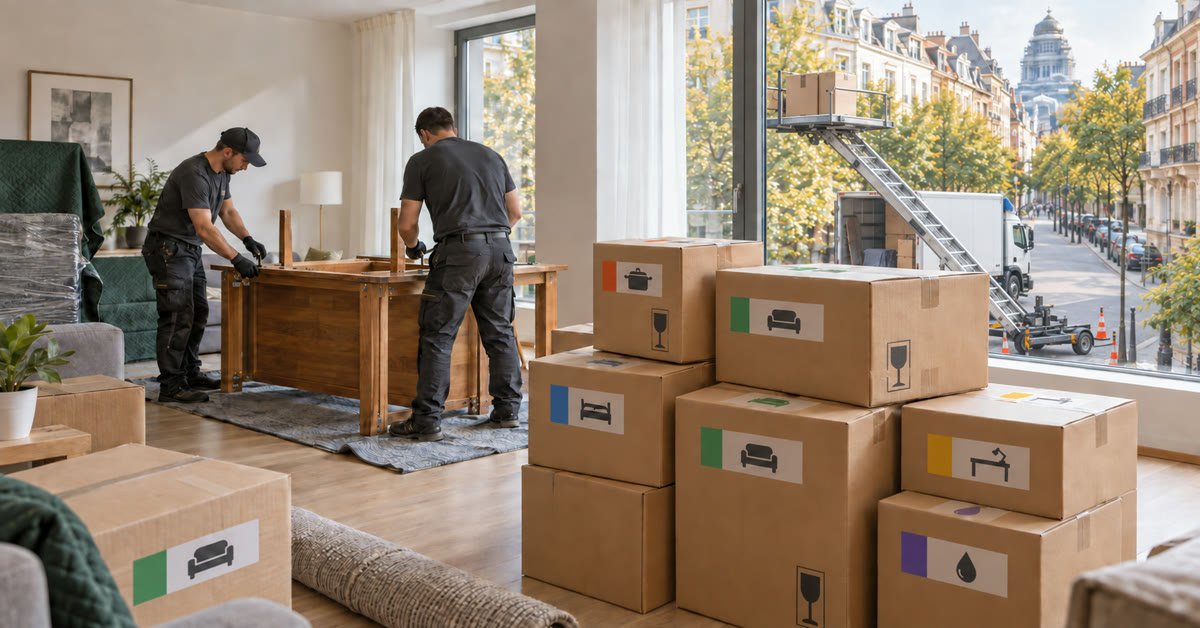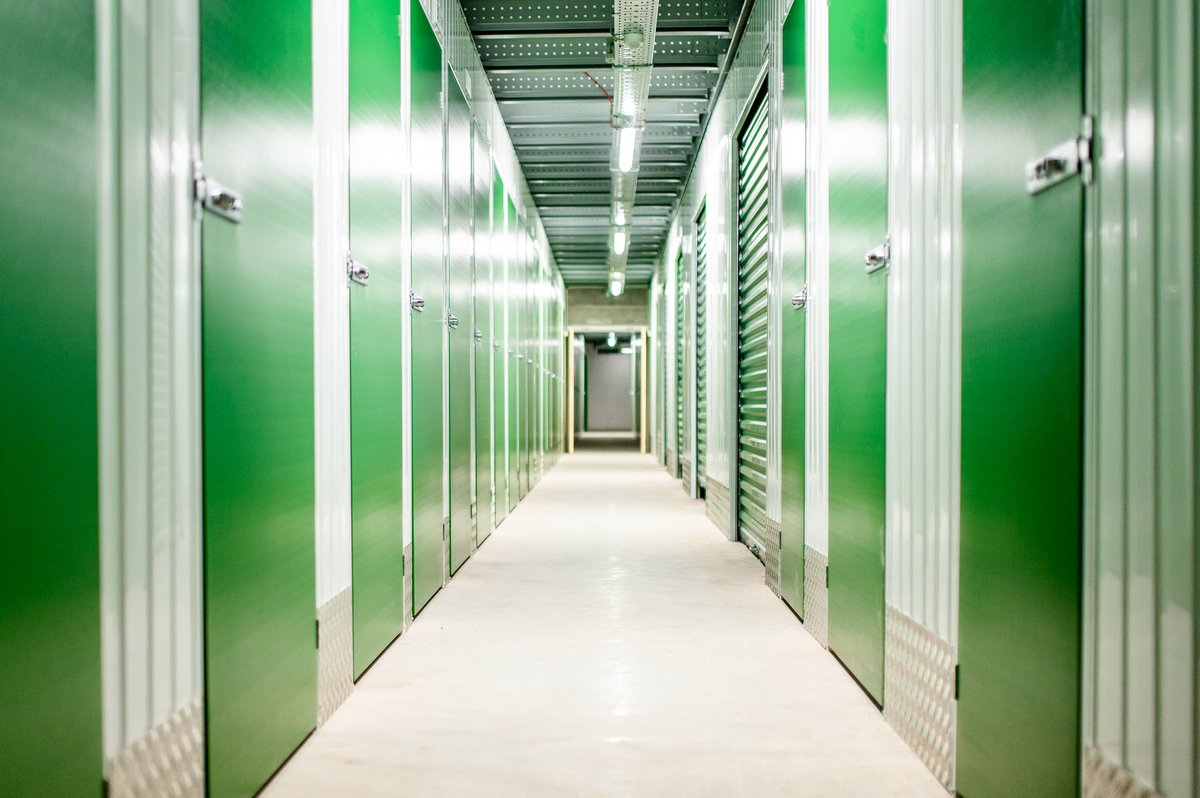
Temporary self storage gives you a secure place to keep your belongings between homes. It bridges the space between leaving one property and arriving at the next. Unlike permanent storage, moving storage is built around short, flexible periods.
If your move is delayed, your new place is smaller, or you are renovating before moving in, moving house storage keeps your possessions safe. You avoid clutter, stress and last-minute scrambling for space. Flexistock offers exactly this kind of flexible support for people moving across Brussels.
What Is Temporary Storage?
Temporary storage is a storage unit that is usually rented for less than three months. It gives you extra space outside your home when you need it most.
Unlike long term storage, which suits people storing items for months or years, temporary storage suits shorter windows. The rental period depends entirely on your circumstances. Some people need a few weeks. Others need a couple of months.
This differs from squeezing boxes into a garage or asking friends to store furniture. A dedicated temporary storage locker keeps items secure, dry and easy to find. You are not relying on someone else's spare room or hoping nothing gets damaged in a cramped shed.
When Do You Need Temporary Storage During a House Move?
Moving dates rarely align perfectly. One property completes before the other. A lease ends before the new one starts. Temporary storage bridges these gaps, giving you breathing room during an already stressful process.
Here are the most common scenarios where movers turn to storage.
Gap Between Closing and Move-In Dates
Property sale completions and rental lease start dates rarely align perfectly. Storage gives you a secure bridge to hold your belongings if you need to stay in short-term accommodation or with family for a few days or weeks.
Home Staging and Decluttering
Clearing out non-essential furniture, seasonal gear, and bulky items before listing your house makes spaces feel larger and cleaner. Staging your property this way can speed up the sale and boost buyer interest.
Renovations Before Settling In
If your new home needs flooring, painting, or structural work before you unpack, storing furniture off-site keeps items safe from dust, paint, and damage while giving contractors full room to work.
Downsizing or Sorting Possessions
Moving into a smaller floor plan means you won't have room for everything immediately. Temporary self storage buys you time to sell, donate, or sort through items without cluttering your new living room on day one.
Managing a Phased or Multi-Stage Move
If you are relocating long-distance or moving in stages, storing non-essential boxes early reduces moving-day stress, allowing you to transport only core daily essentials first.
How Should You Prepare Belongings for Temporary Storage?
Careful preparation makes storing and later unpacking far easier. It also protects your belongings from damage during the process.
Clean furniture before storing it. Dust and dirt can damage upholstery and wood.
Label boxes clearly. This saves time when you need to find something quickly.
Protect fragile items with appropriate packing materials. Bubble wrap and padding prevent breakages.
Disassemble large furniture where practical. This saves space and reduces the risk of scratches.
Keep frequently needed belongings accessible. Store these towards the front of your unit.
Avoid overfilling boxes. Overloaded boxes are harder to carry and more likely to split.
Create an inventory of stored possessions. This helps you track everything and plan your unpacking.
Taking time to prepare properly means less stress when moving day finally arrives. It also means your belongings arrive at your new home in the same condition you left them.
Temporary Storage During Your Next Move
Moving house rarely happens in one smooth transition. Plans shift, properties fall through, and renovation schedules change without warning. Temporary storage gives you an intermediate space while everything settles into place.
Flexistock offers flexible, secure storage units across Brussels for exactly this purpose. Whether you need a unit for two weeks or two months, our month-to-month terms mean you are never locked into a long contract. There is no hidden paperwork and no deposit required. Book your unit today and move at your own pace.
Frequently Asked Questions About Temporary Storage
What Can You Store When Moving House?
You can store furniture, boxes, appliances and personal belongings in a temporary storage unit. Fragile items, seasonal equipment and documents are also suitable. Avoid storing perishable food, hazardous materials or anything flammable, as these are not permitted in self storage facilities.
How Much Storage Space Do I Need When Moving House?
This depends on how much you are storing and for how long. A one-bedroom flat typically needs a smaller unit, while a full house move requires more space. Flexistock can help you choose the right size based on what you plan to store.
Can I Access My Belongings While They Are in Temporary Storage?
Yes! Flexistock units offer extended access hours, so you can reach your belongings when needed. This is particularly useful if your moving dates change or you need an item unexpectedly during your move.
What Is the Best Way to Store Furniture When Moving House?
Clean furniture thoroughly and disassemble larger pieces where possible before storing. Use protective covers or blankets to prevent scratches and dust damage. Placing heavier items at the bottom and lighter items on top also helps protect everything in your unit.
How Long Can I Use Temporary Storage When Moving House?
Temporary storage can be used for as little as a few weeks or as long as several months. Flexistock's month-to-month terms mean you are only paying for the time you actually need, with no long-term commitment required.
.jpg)